
What Is Piles? Everything You Need to Know About Hemorrhoids and Their Treatment
Introduction
Piles, also known as hemorrhoids, are a common health problem that affects millions of people around the world. Many people feel embarrassed to talk about piles, but it is a condition that can happen to anyone. In most cases, piles can be managed with lifestyle changes, proper diet, medical treatment, and traditional herbal support under professional guidance.
If you have ever wondered what is piles, what causes hemorrhoids, what to do for bleeding hemorrhoids, or what is the best medicine for hemorrhoids, this complete guide will help you understand everything in simple language.
What Is Piles?
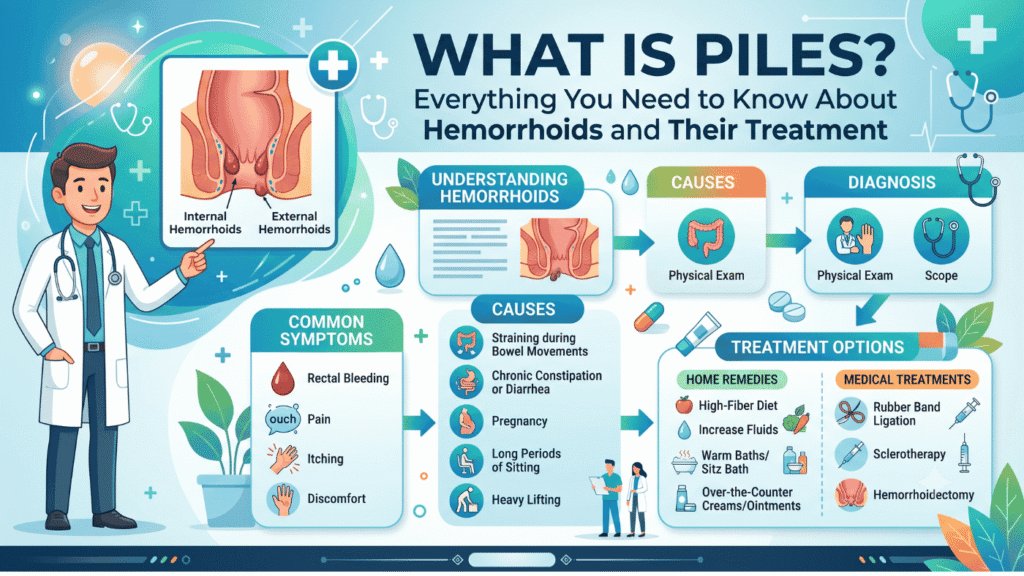
Piles, or hemorrhoids, are swollen and enlarged veins in the lower rectum and anus. They are similar to varicose veins that can develop in the legs.
These swollen veins can cause discomfort, itching, pain, and sometimes bleeding during bowel movements. Some people may have mild symptoms, while others may experience significant discomfort.
Piles are not usually dangerous, but they can affect daily life and should not be ignored if symptoms continue.
How Common Are Hemorrhoids?
Hemorrhoids are very common. Health experts estimate that many adults will experience piles at least once during their lifetime.
The condition is more common in:
- Adults over 45 years of age
- Pregnant women
- People with chronic constipation
- Individuals who sit for long periods
- People who do not eat enough fiber
Types of Piles
Understanding the different types of piles can help identify symptoms and treatment options.
1. Internal Piles
Internal piles develop inside the rectum. They are usually not visible from outside.
Symptoms may include:
- Painless bleeding during bowel movements
- Bright red blood on toilet paper
- A feeling of incomplete bowel emptying
2. External Piles
External piles develop under the skin around the anus.
Symptoms may include:
- Pain
- Swelling
- Itching
- Discomfort while sitting
3. Prolapsed Piles
Sometimes internal piles can extend outside the anus. This is called prolapsed hemorrhoids.
Symptoms include:
- Pain
- Irritation
- Difficulty cleaning the area
4. Thrombosed Piles
When a blood clot develops inside an external hemorrhoid, it becomes a thrombosed hemorrhoid.
Symptoms may include:
- Severe pain
- Hard lump near the anus
- Swelling and inflammation
What Causes Hemorrhoids?
One of the most common questions people ask is what causes hemorrhoids.
Piles develop when pressure increases in the veins around the rectum and anus.
Common Causes of Hemorrhoids
Chronic Constipation
Straining during bowel movements puts pressure on rectal veins.
Long Sitting Time
Sitting for long periods, especially on the toilet, can increase pressure.
Low-Fiber Diet
A diet lacking fruits, vegetables, and whole grains can cause hard stools.
Pregnancy
Pregnancy increases pressure on pelvic veins, making hemorrhoids more common.
Obesity
Excess body weight can place additional pressure on the rectal area.
Heavy Lifting
Frequent lifting of heavy objects can contribute to piles.
Chronic Diarrhea
Repeated irritation from diarrhea may increase the risk.
Aging
As people age, tissues supporting the veins become weaker.
Symptoms of Piles
Symptoms can vary depending on the type and severity.
Common Symptoms Include:
- Bright red bleeding during bowel movements
- Itching around the anus
- Pain or discomfort
- Swelling near the anus
- Mucus discharge
- Feeling of fullness in the rectum
- Lump near the anal opening
Some people may experience only one symptom, while others may have several.
What to Do for Bleeding Hemorrhoids?
Many people become worried when they notice blood during bowel movements.
If you are wondering what to do for bleeding hemorrhoids, follow these steps:
Increase Fiber Intake
Fiber helps soften stools and reduces straining.
Good sources include:
- Apples
- Pears
- Oats
- Whole grains
- Vegetables
- Beans
Drink More Water
Adequate hydration helps prevent constipation.
Avoid Straining
Try not to force bowel movements.
Use Warm Sitz Baths
Sitting in warm water for 10–15 minutes may help reduce discomfort.
Keep the Area Clean
Gentle cleaning can reduce irritation.
Consult a Doctor
Persistent or heavy bleeding should always be evaluated by a healthcare professional because bleeding can have causes other than hemorrhoids.
How Are Piles Diagnosed?
Doctors may diagnose piles through:
Medical History
The doctor asks about symptoms and bowel habits.
Physical Examination
External hemorrhoids can often be seen during examination.
Digital Rectal Examination
The doctor may gently examine the rectum.
Additional Tests
In some cases, procedures such as anoscopy, sigmoidoscopy, or colonoscopy may be recommended to rule out other conditions.
Treatment Options for Piles
Treatment depends on severity.
Lifestyle Changes
Many mild cases improve with:
- High-fiber diet
- Increased water intake
- Regular exercise
- Healthy bowel habits
Over-the-Counter Treatments
Doctors may recommend creams, ointments, or suppositories to reduce discomfort.
Medical Procedures
If symptoms continue, doctors may suggest:
Rubber Band Ligation
A small band cuts off blood supply to the hemorrhoid.
Sclerotherapy
A special solution shrinks the hemorrhoid.
Infrared Coagulation
Heat treatment reduces hemorrhoid tissue.
Surgery
Severe cases may require surgery, known as hemorrhoidectomy.
What Is the Best Medicine for Hemorrhoids?
Many people ask, what is the best medicine for hemorrhoids?
There is no single medicine that works best for everyone.
Treatment depends on:
- Severity of symptoms
- Type of hemorrhoids
- Presence of bleeding
- Medical history
Doctors may recommend:
- Fiber supplements
- Stool softeners
- Anti-inflammatory medications
- Prescription creams
- Medical procedures when necessary
The best treatment plan should be decided with a qualified healthcare professional.
Ayurvedic Medicine for Piles
Many people look for Ayurvedic medicine for piles because traditional systems of medicine have been used for digestive and anorectal health for centuries.
Ayurveda focuses on:
- Supporting healthy digestion
- Maintaining regular bowel movements
- Reducing constipation
- Promoting overall digestive wellness
Common herbs traditionally used in Ayurvedic practice may include:
- Triphala
- Haritaki
- Neem
- Aloe Vera
- Guggulu
Scientific evidence varies depending on the specific formulation. Therefore, professional medical advice is recommended before using any herbal product.
Traditional Unani and Herbal Support
Unani medicine is another traditional system that emphasizes digestive health, balanced lifestyle habits, and natural remedies.
Some herbal and Unani products are traditionally used to support digestive comfort and bowel regularity. Examples available in the market include:
- Hamdard Habbe Bawaseer Badi
- Hamdard Hamdorid
- Hamdard Sharbat Bazoori Motadil
- Dehlvi Pnile Capsules
- Other traditional Unani formulations
These products are generally used according to traditional practices and should not be considered a replacement for professional medical diagnosis or emergency care.
Individuals should consult a qualified Unani physician, Ayurvedic practitioner, or healthcare provider before starting any herbal treatment.
Foods to Eat for Piles
Diet plays a major role in managing hemorrhoids.
Best Foods for Piles
Fruits
- Apples
- Oranges
- Papaya
- Guava
Vegetables
- Spinach
- Carrots
- Broccoli
- Cucumber
Whole Grains
- Oats
- Brown rice
- Whole wheat
Legumes
- Lentils
- Chickpeas
- Beans
Seeds
- Flaxseeds
- Chia seeds
These foods help improve bowel movements and reduce constipation.
Foods to Avoid
Certain foods may worsen symptoms.
Limit:
- Processed foods
- Fast food
- Excessively spicy foods
- Deep-fried foods
- Alcohol
- Sugary beverages
Home Remedies for Piles
Several home-care methods may help relieve symptoms.
Warm Sitz Baths
Can help soothe irritation.
Ice Packs
May reduce swelling temporarily.
Physical Activity
Regular walking supports healthy digestion.
Proper Toilet Habits
Avoid spending excessive time on the toilet.
Healthy Hydration
Drink sufficient water throughout the day.
Can Piles Be Prevented?
Yes, many cases can be prevented through healthy habits.
Prevention Tips
- Eat high-fiber foods daily
- Stay hydrated
- Exercise regularly
- Avoid prolonged sitting
- Maintain healthy body weight
- Respond to bowel urges promptly
- Avoid excessive straining
These habits help keep bowel movements soft and regular.
When Should You See a Doctor?
Seek medical attention if you experience:
- Heavy rectal bleeding
- Severe pain
- Sudden swelling
- Persistent symptoms
- Changes in bowel habits
- Unexplained weight loss
Early diagnosis helps rule out other conditions and ensures appropriate treatment.
Buying Traditional Piles Support Products Online
Today, many consumers prefer the convenience of purchasing herbal products online. When looking to buy traditional piles support products, choose reputable sellers that provide authentic products, proper storage conditions, and clear usage instructions.
Always verify product authenticity and consult a healthcare professional before using any medicine or supplement.
Conclusion
Understanding what is piles is the first step toward managing the condition effectively. Hemorrhoids are swollen veins in the rectum or anus that can cause discomfort, itching, pain, and bleeding. Common causes include constipation, straining, low-fiber diets, obesity, pregnancy, and prolonged sitting.
If you are wondering what causes hemorrhoids, what to do for bleeding hemorrhoids, or what is the best medicine for hemorrhoids, remember that treatment depends on individual symptoms and severity. Lifestyle changes, proper diet, medical care, and professional guidance can often provide significant relief.
For those interested in traditional healthcare approaches, Ayurvedic medicine for piles and Unani formulations may offer supportive options when used responsibly under expert supervision. A balanced diet, healthy lifestyle, and timely medical consultation remain the most important steps toward long-term digestive health and comfort.